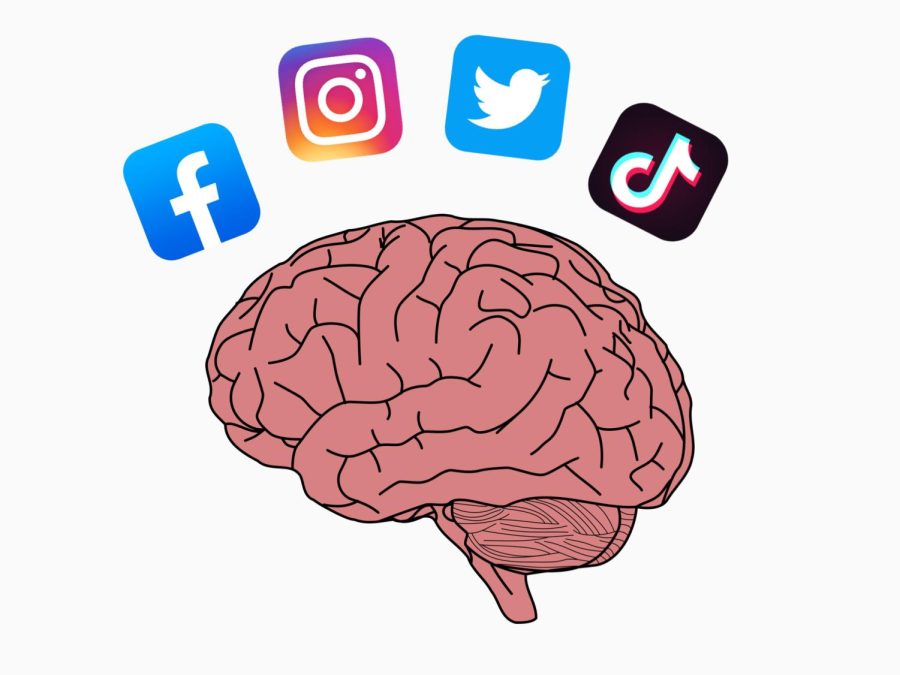
In recent years, social media has taken over our daily lives. It has been a part of both adults’ and teenagers’ lives, but mostly teenagers’. Many teenagers claim that they simply can’t imagine a life without social media. However, while social media offers many advantages, it also raises concerns about its impacts on mental health. This has sparkled an ongoing debate: Is social media ultimately good or bad for teenagers?
On one hand, social media provides numerous benefits for teenagers. It allows them to stay connected with their friends and family, even if they are far apart. Through social media platforms, teenagers can communicate with their peers, and share updates about their lives. Social media platforms also enable teenagers to express themselves better and share their opinions about various topics. Social media gives them a voice and a sense of belonging in online communities.
On the other hand, excessive social media usage can lead to problems in teenagers’ mental health. Constant exposure to unrealistic beauty standards can lead to insecurities and low self-esteem. Cyberbullying is another serious problem, as it can cause stress, anxiety and even depression. Spending too much time on social media can reduce face-to-face interactions, making teenagers feel more isolated despite being digitally connected.
In conclusion, social media has both positive and negative impacts on teenagers. While it offers opportunities for communication and creativity, it also poses risks to mental health. Therefore teenagers should use social media carefully and be mindful of its effects. Setting screen time limits and taking regular breaks from social media are some ways to maintain a healthy relationship with it. In the end, social media is neither entirely good nor bad, it all depends on how it is being used.