

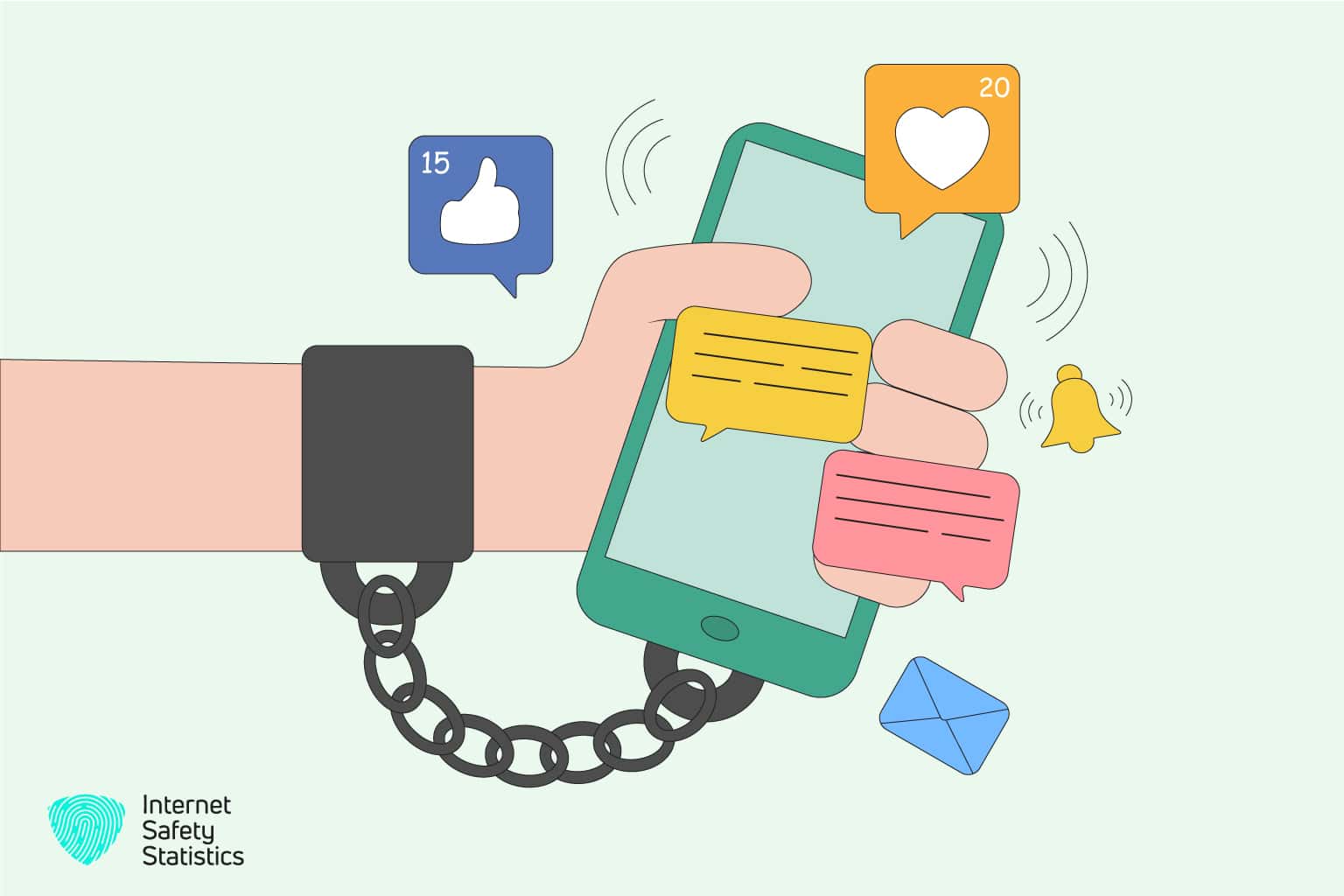
In today’s increasingly globalized and technology-driven world, digital addiction has emerged as a growing concern affecting individuals and societies alike. With the widespread use of smartphones, social media, online gaming, and streaming platforms, people are spending more time in the digital realm than ever before. While technology brings numerous benefits, excessive and uncontrolled use can lead to serious long-term consequences such as reduced productivity, social isolation, mental health issues, and weakened interpersonal relationships. Therefore, proactive measures are essential to address and mitigate the impacts of digital addiction.
At the individual level, awareness and self-regulation are key. People must be educated about the symptoms and dangers of digital addiction, such as sleep disturbances, anxiety, and a decrease in face-to-face social interactions. Setting screen time limits, taking regular breaks, and engaging in offline hobbies like reading, sports, or arts can help restore a healthy balance. Parents and educators also play a vital role in guiding children and teenagers by promoting healthy digital habits and encouraging open communication about technology use.
On a societal level, governments and institutions should implement policies that promote digital well-being. Schools can integrate digital literacy into the curriculum to teach students how to use technology responsibly. Employers can support their staff by encouraging regular digital detox periods and maintaining a healthy work-life balance through flexible hours and mental health initiatives. Tech companies, too, have a responsibility to design platforms that prioritize user well-being—for instance, by providing usage insights, promoting breaks, and limiting addictive features.
Public awareness campaigns, community programs, and counseling services can also play a significant role in tackling digital addiction. By fostering a culture that values real-world interactions and emotional health, societies can reduce their dependence on digital devices and build stronger, more connected communities.
In conclusion, while digital technology is a powerful tool that enhances our lives in many ways, its overuse must be carefully managed. Through a combination of education, policy, and personal responsibility, both individuals and societies can work together to prevent the long-term negative effects of digital addiction and ensure a healthier, more balanced future. For us to advance we must control our daily usage.