

If given the choice, I would prefer that our country be rich in agricultural land rather than a “paradise” of mineral reserves. While mineral wealth can bring sudden economic gains, fertile agricultural land offers long-term stability, food security, and a more sustainable path for development.
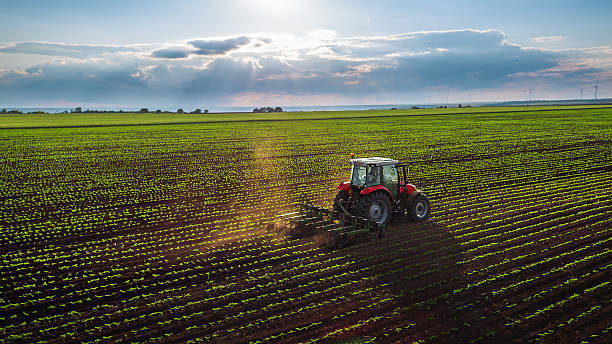
First and foremost, agriculture is the backbone of human survival. A country rich in agricultural land can feed its population without depending on foreign imports. This self-sufficiency not only strengthens national security but also keeps food prices stable. In times of global crisis, such as wars or pandemics, countries that can grow their own food have a major advantage.
In contrast, mineral reserves are non-renewable resources. Once they are extracted and used, they are gone forever. While they can bring rapid economic growth and attract foreign investment, they often come with serious environmental consequences such as deforestation, pollution, and land degradation. Countries rich in minerals may experience what economists call the “resource curse”—a situation where natural wealth leads to corruption, conflict, or economic inequality rather than prosperity.
Furthermore, agriculture provides more widespread employment opportunities. In rural areas, farming supports entire communities—not just through crop cultivation, but also through related industries such as food processing, transportation, and retail. On the other hand, mining operations tend to be more centralized and rely on machines and skilled labor, often benefiting only a small portion of the population.
From a sustainability point of view, agriculture can be maintained for generations with responsible farming practices. It also contributes to a greener environment when combined with afforestation and soil conservation efforts. Mineral extraction, however, can leave permanent scars on the landscape and pollute water and air.
In conclusion, although mineral reserves may seem like a shortcut to wealth, agricultural land offers long-term benefits that support not only economic development but also environmental sustainability and social stability. A country with rich, fertile soil holds the key to a future where people are fed, employed, and in harmony with nature.