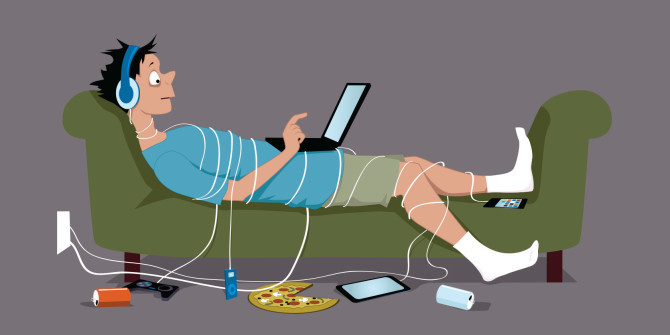
Digital addiction has become one of the worst addictions, while being so common in people. This is because most people have easy access to electronic devices such as telephones, computers, and tablets. To prevent digital addiction, we should take some precautions.
With the help of education, we could spread some awareness among kids and teenagers. By inviting some experts about technology addiction, we could change some childrens minds or convince them to look less on their devices. Also by doing some interactive activities about the risks of digital addiction in case of health issues and relationships with other people.
Another precaution we should take is about the time people spend on their devices. By removing cell phones from workplaces, schools, and homes for specific times, we could get mostly positive results. We should do this to encourage people to do other activities without their electronic devices. Also, people could spend their normally wasted time by usage of phones, to spend their time on sports, relatives, and improving of mental health.
The community on social media could take some precautions, too. One of them is supporting the creation of accounts that make videos about outdoor activities, sports, art, and comedy. By supporting these accounts, the social media users could be influenced by them and decrease their screen time to do those things. Another idea that the community should use is putting rewards on the activities that are outdoors and fun. Like community should organise a marathon which is 5 km long and put a prize like a coffee machine or a shark plushie.
Lastly, a way to reduce digital addiction is by discovering and working on new off-screen hobbies. These could include activities like painting, playing a musical instrument, gardening, cooking, hiking, skiing, or learning a language. When people find joy and enthusiasm in these experiences, they naturally spend less time on screens. Many people turn to their phones or computers simply out of boredom. By developing healthy and beneficial hobbies, they can change their energy into something creative and rewarding, which improves mental health, boosts self-esteem, and increases fun with digital entertainment.
In conclusion, digital addiction is a growing issue, but by setting boundaries and encouraging offline hobbies, we can reduce its impact. Engaging in new activities like sports, art, or reading provides a fun alternative to screen time and helps maintain a healthy balance. By taking these steps, we can enjoy technology without letting it control our lives.