
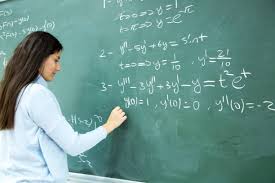
Is knowing all the theories in the world better than learning practical skills in education? This is one of the best debates. Education plays an important role in developing individuals and their skills for the future. So, which one is better?
Theoretical knowledge is essential because it helps understanding the key points and ideas. It helps students develop critical thinking and analytical skills. However, this knowledge alone is often not enough. Without the ability of applying and trying what they have learned in real-life situations, students might find it difficult to solve actual problems. For example, a student who studies engineering theories, such as formulas, might find written exams easy, but if they have never built, tested a real machine or structure, they might struggle when faced with hands-on tasks in the workplace.
Practical education focuses real-world experiences. This type of education helps students to understand what they are learning, rather than just memorizing facts. It helps develop problem-solving abilities, decision-making skills, etc. For example, in fields like engineering, simulations, lab work, and field training are essential parts of the learning process. They give students the opportunity to make mistakes, learn from them, and improve their skills in a safe environment. Practical education also makes the student find solutions on their own.
In conclusion, theoretical knowledge makes students understand key points, practical education makes them prepared for real-world challenges. I would choose practical education if I had to because it helps in real-world situations more than theoretical knowledge does. However, they should be balanced.