
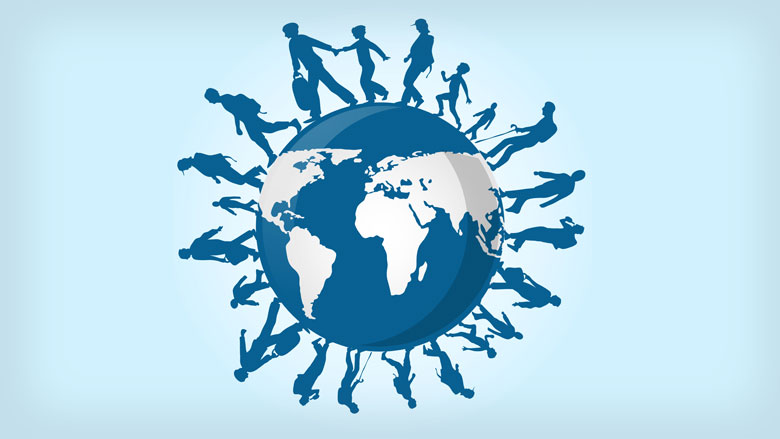
Global migration significantly shapes modern societies, bringing both benefits and challenges. On the positive side, migration fosters cultural diversity, enriches communities with new perspectives, and often fills labor shortages in host countries. Migrants contribute to economic growth, innovation, and international collaboration, especially in sectors such as healthcare, technology, and agriculture.
However, migration also poses difficulties. Rapid population increases can strain public services, housing, and infrastructure. Cultural integration may lead to social tensions if not managed well, and misunderstandings or prejudice can arise between different groups. Additionally, emigration may result in a brain drain in developing countries, depriving them of skilled professionals.
Overall, global migration is a complex and inevitable part of our interconnected world. Societies that embrace inclusive policies and mutual understanding can better harness its advantages while minimizing its downsides. The key lies in cooperation, empathy, and forward-thinking strategies for integration.