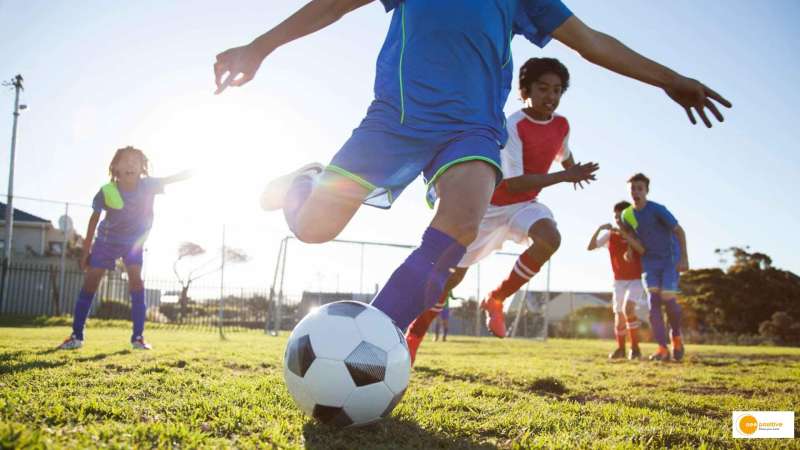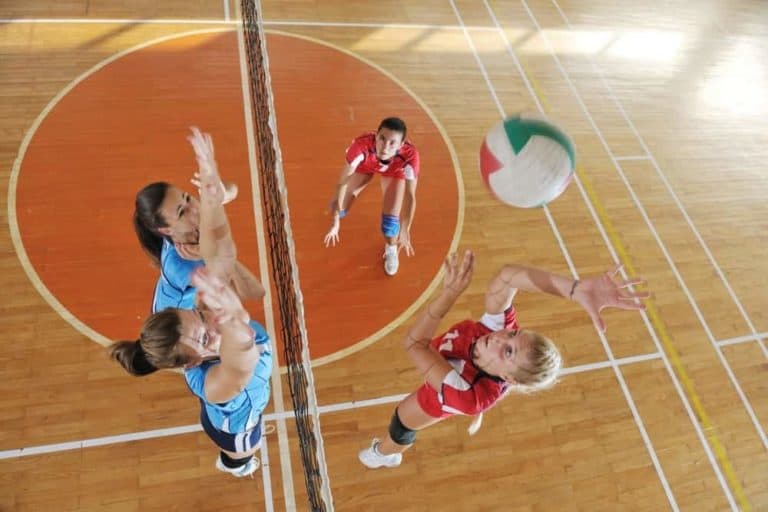
While sports play a vital role in the development of young individuals, their importance is not always fully appreciated by society. Despite growing awareness of the benefits of physical activity, academic performance and technological engagement often receive more attention than participation in sports. However, sports are crucial for the holistic development of young people, contributing significantly to their physical, mental, and social well-being.
Firstly, the physical benefits of sports are undeniable. Regular participation in sports helps young individuals build strong bones and muscles, maintain a healthy weight, and develop coordination and motor skills. In an age where sedentary lifestyles and screen time are rising, encouraging physical activity through sports can combat childhood obesity and related health problems. Moreover, developing healthy habits early in life lays the foundation for lifelong wellness.
Beyond physical health, sports also contribute to mental and emotional development. Engaging in sports helps reduce stress, anxiety, and symptoms of depression by releasing endorphins—natural mood lifters. Sports also teach valuable life skills such as discipline, resilience, time management, and goal-setting. Facing wins and losses in sports helps young individuals build character and learn how to handle both success and failure gracefully.
Furthermore, sports foster social skills and teamwork. Playing on a team encourages communication, cooperation, and mutual respect. It also provides a sense of belonging and can help build lasting friendships. For many young people, sports offer a constructive outlet and a sense of purpose outside of academic or personal pressures.
Despite these clear benefits, sports are sometimes viewed as secondary to academics. In some schools, physical education programs are underfunded or even eliminated. Parents and educators may prioritize test scores over extracurricular activities, underestimating the long-term value of sports in shaping well-rounded individuals.
In conclusion, while the importance of sports in young people’s development is recognized to some extent, it is not sufficiently appreciated. Sports should be regarded as an essential part of education and personal growth, not just a leisure activity. Encouraging greater participation and investment in youth sports can lead to healthier, more balanced, and more capable future generations. That is why it should be more appriciated.