
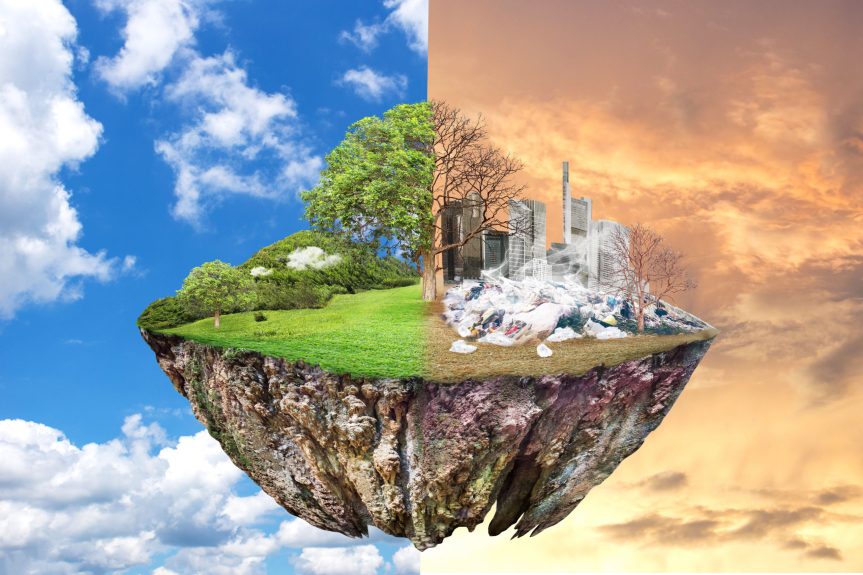
Pollution of the environment is one of the major challenges currently facing the world. Environmental pollution impacts human health, animals, as well as the planet. Pollution occurs as a result of waste materials entering an environmental component. For example, when these materials come into contact with air, water, or plants, they result in environmental pollution. The three types of environmental pollution are pollution of air, water, and land. Both environmental institutions and young people have significant responsibility in this area.
Air pollution is created primarily due to factories, vehicles, and the burning of fossil fuels. Vehicles, including buses, emit carbon dioxide, nitrogen dioxide, among other gases, which harm the atmosphere severely. Pollution in the atmosphere also causes several health ailments, including asthma, lung disease, among others. Teenagers can contribute to a reduction in air pollution in their respective ways, including the use of transport, or even walking. Conservation of electricity in schools also plays a crucial part since factories emit pollution when there is a high demand for electricity.
Water pollution occurs when waste, chemicals, and plastic find their way into rivers, lakes, or the ocean. Some factories can dispose waste into the water bodies, but people can also be responsible, with litter or harmful substances poured down the drain. Plastic waste is a serious problem due to the killing of marine life, taking many years to decompose. Reducing the use of plastic, recycling, or refraining from littering near any water body can make a difference for young people. Beach or river cleanup activities are also a great way.
Land pollution can result from excessive waste generation, littering, as well as the use of harmful chemicals on land. The landfills are also expanding annually owing to a rise in consumption as well as poor waste management. This type of pollution can affect soil properties as well as plant and animal life. Teenagers should be able to make a significant impact in their daily lives by proper waste segregation, food waste composting, and opting for non-disposable products. Even minor changes in daily behavior can bring about a significant impact.
In addition to these regular actions, there are ways for young people to spread awareness regarding environmental concerns. They would be able to share information regarding the environment and participate in clubs and groups related to the environment. Schools would be significant in teaching students about the environment and conducting projects. Conclusion:
Environmental pollution is a major problem that affects the global society, but it can be minimized if proper steps are taken. Young people have the ability to bring about a difference in their society by making the right choices and being environmentally conscious. If this is done, the environment will be preserved for posterity.