
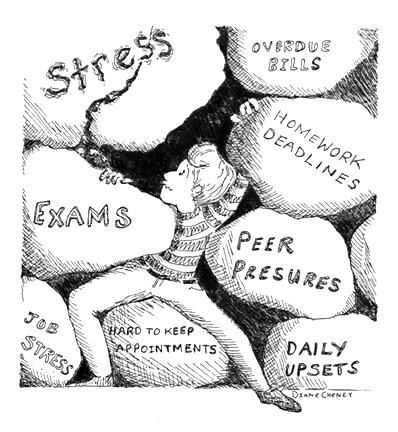
Success is something that most people are taught to value from a young age. Getting good grades, being disciplined, and having big dreams is often seen as the formula for success. But the emphasis on success can also create a lot of pressure in a student’s life. Today’s teenagers often feel that they have to be perfect in every aspect of their lives. This is because of the various pressures that they are exposed to, from school to society. While pressure can be a motivating factor, it can also be overwhelming if it is not managed in a healthy way. One of the biggest sources of stress for students is school. School can be a stressful environment because of teachers, tests, and competition with other students. This can make students feel like they are always trying to prove themselves. Many schools also place a high value on high grades and academic success. For instance, students may feel stressed about getting into a good college, doing well on tests, or being the “best” in their class. While education is a valuable thing, too much academic stress can make learning feel like a chore instead of an opportunity. It can also lead to a situation referred to as “academic validation” where a student depends solely on grades and academic achievements to define their personal worth.
Another big source of stress is the family expectations. Many parents have high hopes for their children and want them to have successful careers, stable lives, and bright futures. While most parents have good intentions, their expectations can sometimes be overwhelming to the teenagers. For example, some students may feel like they have to choose some careers, such as medicine or engineering, even if they are not really interested in them. This can cause conflict and stress. Students may also feel like they are disappointing their families if they do not meet their expectations, which can influence their self-esteem.
Society is also a huge factor in the formation of students’ expectations. Social media, for example, makes students feel like they need to be perfect, popular, talented, and successful when they are still young. Comparing themselves to others who post about their accomplishments or have “perfect” lives on social media can make students feel like they are not good enough. Moreover, society tends to have a narrow definition of success, which is mostly based on money, fame, and academic achievement.
Despite all of this pressure, teens can learn to cope with expectations in a healthy way. First, teens need to remember that their value is not based on their grades. They can set realistic goals and learn to enjoy small victories. Second, communication with parents and teachers is key. They can learn to talk to their parents and teachers about how they feel. This can help them build understanding and support. Third, they can learn to take care of their bodies and minds by sleeping well, exercising, and taking a break when they need one. Finally, they can learn to focus on their own interests and passions, not just on what others want them to do. Conclusion
To sum up, the pressure that a student faces comes from all around, namely school, family, and society. Although sometimes it acts as a driving force to make students work hard, excessive pressure can be negative. By learning to deal with the pressure of expectations, teenagers can achieve success in a healthier and more meaningful way. Success does not only mean achievement but also happiness.