
In the modern era, young people are more connected than ever, yet they often feel profoundly isolated. The primary cause of this issue is the “highlight reel” culture of social media. Platforms like Instagram and TikTok encourage users to post only their most successful, filtered, and curated moments. When teenagers spend hours scrolling through these idealized versions of reality, they subconsciously compare their own “behind-the-scenes” struggles with everyone else’s “greatest hits.” This leads to a constant sense of inadequacy and the fear of missing out (FOMO).
Another significant cause is the erosion of deep, face to face communication. Digital interactions are often shallow and lack the emotional nuance of physical presence, making it harder for youth to build genuine resilience and community. To solve this, we must promote Digital Literacy and Mindful Consumption.
Education: Schools should integrate mental health curriculums that teach students how algorithms work and how to distinguish between curated content and reality.
Digital Detox: Families can implement “tech free zones” or hours during the day to encourage real world interaction. For example, a “no phones at the dinner table” rule allows for genuine conversation.
Platform Responsibility: Tech companies should be pressured to prioritize user well-being over engagement metrics, such as hiding “like” counts to reduce the pressure of social validation.
By shifting the focus from online validation to real world connection, the youth can reclaim their mental peace.
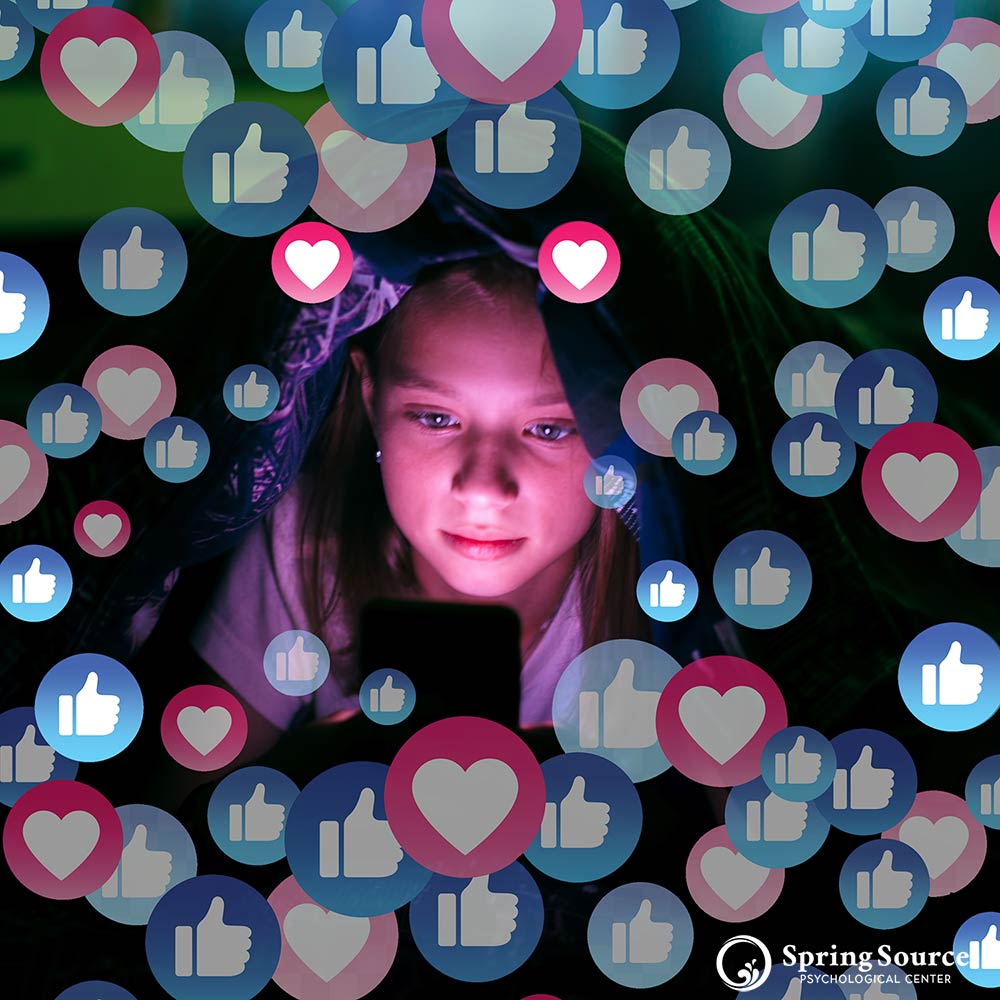
The Digital Mirror: Navigating Modern Youth Anxiety
(Visited 1 times, 1 visits today)