
One of the most challenging procedures in the healthcare sector is organ donation. First, doctors must obtain permission from the donor, a family member, or a close individual. Even if the operation is approved, the donor’s organs must be quickly retrieved before they cease functioning and immediately transplanted into the recipient’s body.
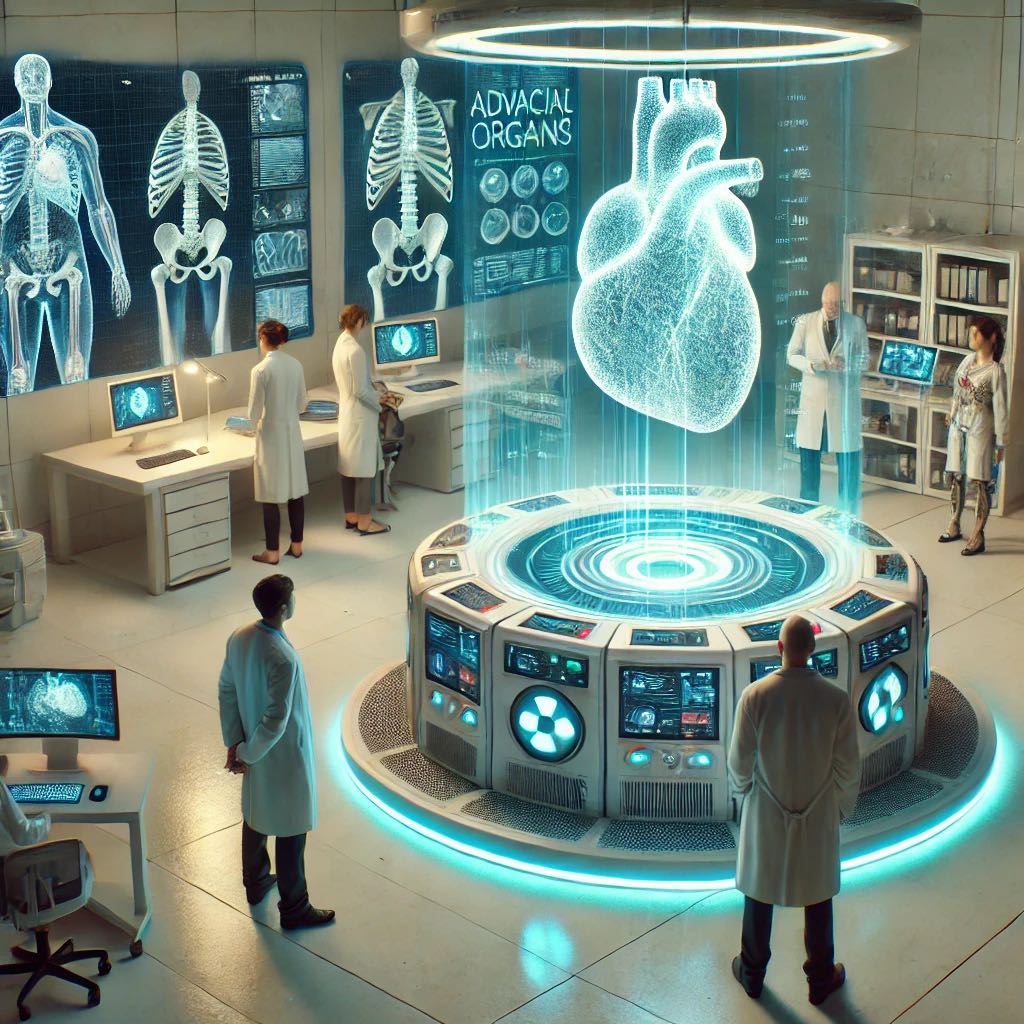
An emerging solution to this complex procedure is the use of artificial organs. These devices replicate the function of natural organs, reducing the need for traditional organ donation. This advancement could make organ transplantation significantly easier and save millions of patients who anxiously wait for a replacement organ.
However, I am uncertain about how artificial organs will affect the body’s natural functions and internal systems. Additionally, their high cost will depend on the materials used in their production. While I believe artificial organs represent the future of medicine, they will undoubtedly be an expensive one