
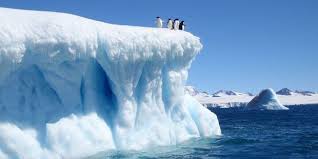
Scientists say in their latest research that glaciers are melting rapidly. This situation affects both humans and nature. The effects on nature include rising sea levels and the loss of habitats for animals living in frozen regions, such as polar bears and seals. As a result, the populations of these animals are becoming endangered. There is also the possibility of new diseases emerging from organisms frozen in the ice, as well as disruption to ecosystems. The melting of ice contributes to climate change, and as a result, the balance of nature is disturbed and seasonal patterns change.
So, what are the effects on humans? As the ice melts, sea levels rise, meaning that coastal cities and islands face the risk of flooding; some cities could even sink into the sea. Climate change leads to droughts and extreme rainfall, which create serious problems for human populations. Furthermore, large-scale migration may occur from cities at high risk of flooding, leading to economic hardship. Entire countries, especially island nations, could be affected. For example, tropical islands such as the Maldives and Tahiti could disappear. There are also economic problems associated with flooding; for instance, Istanbul, Türkiye’s most populous city, is surrounded by seas, and flood damage could lead to significant economic losses.
Stopping the melting of glaciers is extremely difficult; once the process begins, it is very hard to reverse. In conclusion, the melting of glaciers is a serious problem for nature, humanity, and the global economy. Therefore, people all around the world should support efforts to address this issue.