
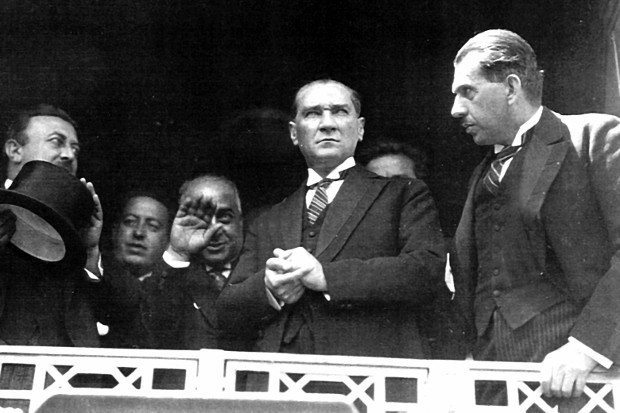
Atatürk’s principle of “Peace at Home, Peace in the World” is a core idea that shapes both politics and daily life. It suggests that a stable society or nation is necessary for a stable world. Peace and war must be approached with careful thought, meaning people can only achieve peace in the world if they are at peace in their minds, in their homes, and within their communities.
In everyday life, this means not picking unnecessary fights, acknowledging and respecting paths we may not want to follow, and not shouting back when someone shouts at us because they believe in something different. It means treating others the way we would want to be treated, because we would not want someone to do something to us that we ourselves would not approve of — and acting fairly and justifiably for the sake of healthy relationships.
On a larger scale, this principle represents collaboration and unity, like a fabric so carefully sewn together that nothing from outside can tear it apart. Atatürk’s sentiment applies to ideas of right and wrong: as long as we hold the moral high ground at home, we will hold the moral high ground in the world, allowing us to justify peace for the sake of security.