
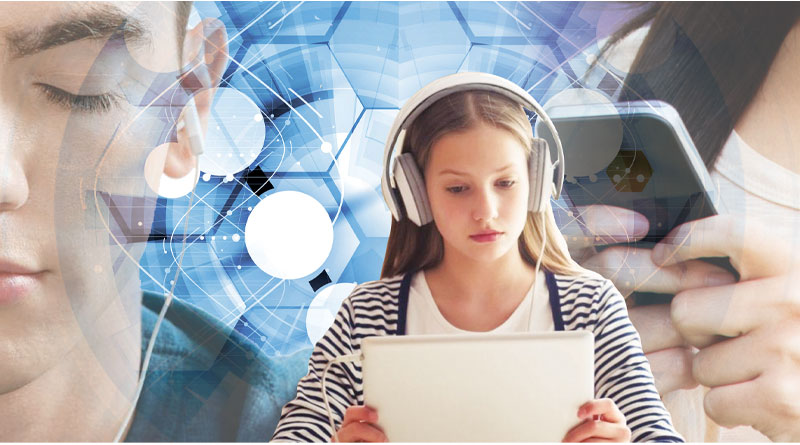
Growing up in the digital age feels like living in two different worlds at the same time — one offline, where school, family, and real life responsibilities exist, and one online, where everything is faster, louder, and constantly changing. Social media sits right in the middle of this experience. It shapes how teenagers communicate, think, and even understand themselves. While it can be inspiring and fun, it also brings challenges that are sometimes hard to escape. As a teen myself, I see both sides every single day.
One of the biggest positive impacts of social media is how easy it has become to stay connected. Whether it’s keeping up with friends, joining group chats, or sharing updates, it helps us maintain relationships even when we can’t meet in person. For teens who are shy or struggle with social anxiety online communication feels less intimidating. You can think before you respond, express yourself more confidently, and find people who share your interests like music, books, gaming, art, anything. In that sense, social media can create a comforting sense of belonging.
Another benefit is access to information. Social media lets us learn things instantly, from school-related content to tutorials, news, and global events. Many teenagers use platforms like YouTube or TikTok for educational content from chemistry explanations to study tips. It can motivate you to improve yourself, pick up new skills or discover passions you didn’t know you had. Sometimes a single video or post can genuinely change the direction of someone’s life.
However, the negative side is just as real. One major issue is the pressure to look perfect. With filters, edited photos and influencers posting unrealistic lifestyles, it’s easy to fall into comparing yourself with people you’ve never even met. For many teens, this can damage self esteem and create feelings of frustration or inadequacy. Even when you know the photos are edited, it still affects you.
Another problem is the constant need for validation. Likes, comments, and followers can start to feel like a measure of self worth. When a post doesn’t get enough interaction, it’s common to feel disappointed or even embarrassed. This can make social media addictive, refreshing your feed, checking notifications, and feeling anxious when things are quiet.
Cyberbullying is also a major concern. Because people can hide behind screens, they often say things online they would never say in person. Hurtful messages, rumours, and anonymous comments can heavily impact a teenager’s mental health.
Overall, social media is a powerful tool, one that can help us learn, grow, and connect, but also one that can overwhelm us if we’re not careful. Being a teen in the digital age means learning to balance both sides, enjoying the benefits while protecting ourselves from the pressures. It’s not easy, but understanding the impact is the first step toward using social media in a healthier, more positive way.