
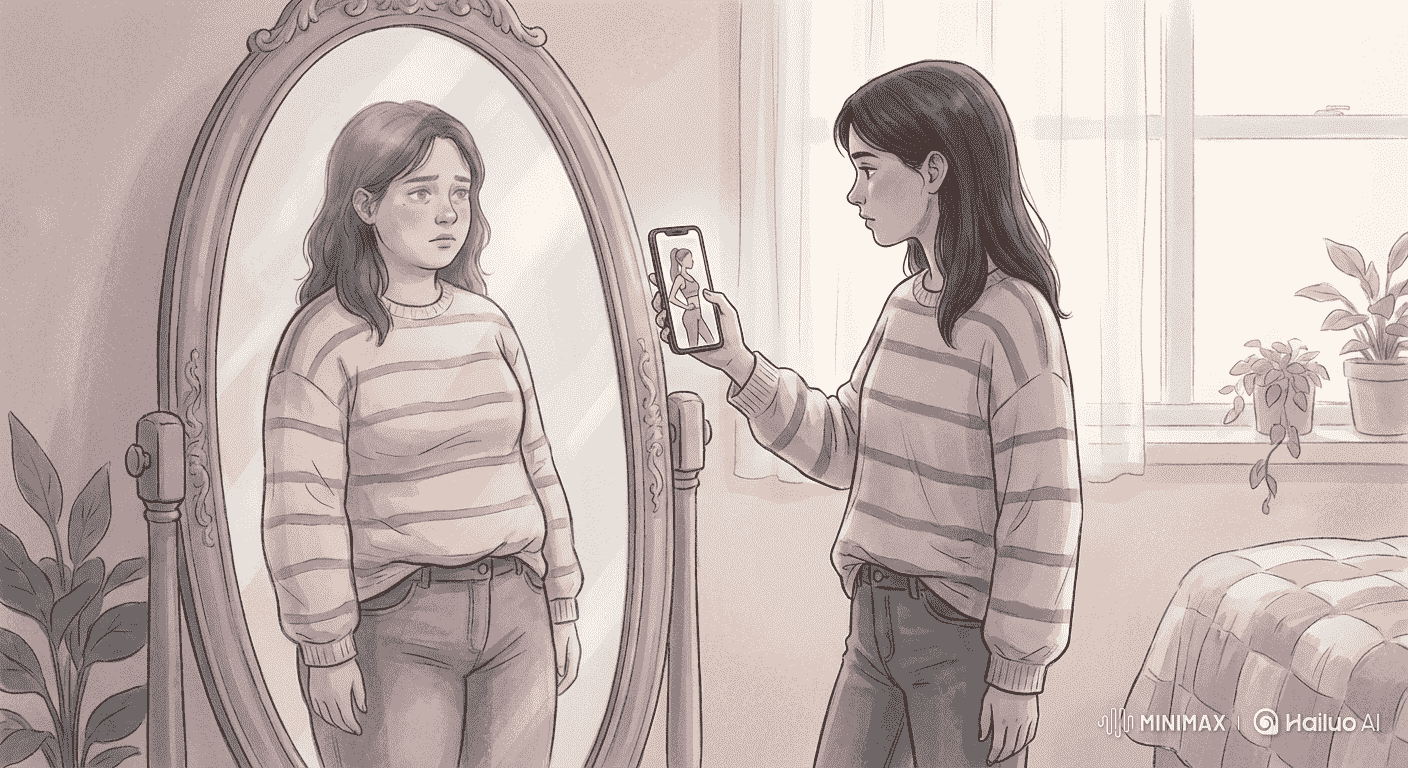
In today’s digital world, social media is a big part of our lives. When we open apps like Instagram or TikTok, we see beautiful photos of people who look perfect. For many teenagers, there is a huge pressure to match these images. But is this pressure a healthy motivation to take care of ourselves, or is it a harmful trap? Let’s dive into both sides.
Most people believe that the pressure to look perfect is harmful. The biggest problem is that social media is often ” fake “. People use filters and editing tools to hide their flaws. When teenagers compare their real lives to these edited photos, they often feel “not good enough”. This can lead to low self-esteem and anxiety. Instead of focusing on their hobbies or schoolwork, some young people spend hours trying to take the “perfect” selfie. If they don’t get enough likes, they might feel sad or lonely. In short, chasing an impossible standard of beauty can hurt a person’s mental health.
On the other hand, some people argue that this pressure can be motivating. They believe that wanting to look good encourages teenagers to have better habits. For example, a student might start exercising more or eating healthier food because they want to look like the fitness influencers they see online. In this sense, “looking good” isn’t just about clothes; it’s about being healthy and disciplined. If social media inspires someone to take a shower, dress neatly, and live an active lifestyle, it can be seen as a positive influence on their daily routine.
In my opinion, the pressure to look perfect does more harm than good. While being healthy is important, “perfection” is not real. Teenagers should remember that their value is not measured by the number of likes on a photo. It is important to use social media mindfully. We should follow accounts that make us feel happy and inspired, not stressed. Remember: Being yourself is much more important than being “perfect”.