
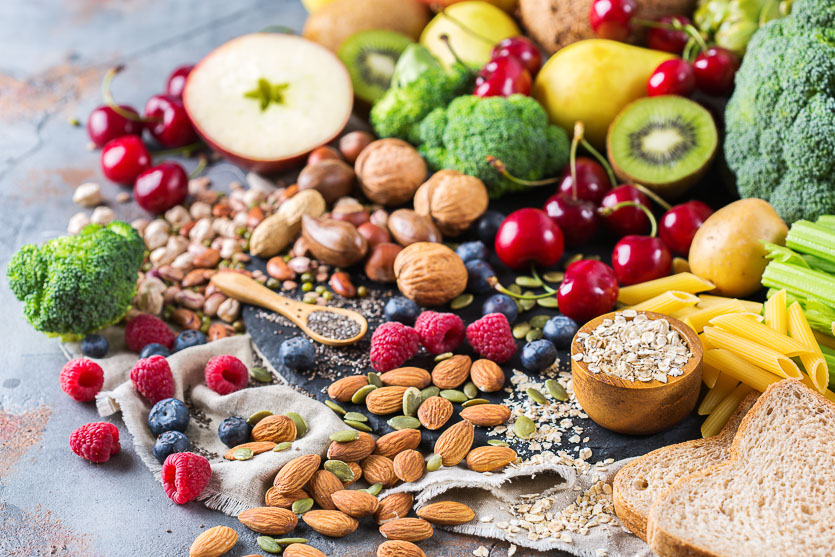
Humans have eaten animals for thousands of years, but tradition alone is not a reason to continue a practice unchanged. The world today is very different from the world our ancestors lived in, and the impact of our choices is far greater. As our population has grown and farming has industrialized, meat production has become one of the most environmentally damaging systems on the planet. It contributes heavily to climate change, deforestation, and water pollution—problems that simply did not exist on the same scale in the past.
Beyond the environmental concerns, our understanding of animal consciousness has advanced. We now know that many animals experience pain, emotion, and social bonds in ways once thought to be uniquely human. With this knowledge comes a moral responsibility to reconsider how we treat them. Eating animals is no longer necessary for survival; we have access to a wide variety of plant-based foods that can provide all the nutrients we need. Because of this, continuing to support systems that cause suffering is harder to justify.
Ultimately, choosing more plant-based meals is not about erasing tradition—it is about adapting in a world that requires more thoughtful and sustainable decisions. By reducing our reliance on animal products, we can improve human health, lessen environmental damage, and take meaningful steps toward a more compassionate society. This is why many believe that now, more than ever, is the right time to rethink how we eat.