
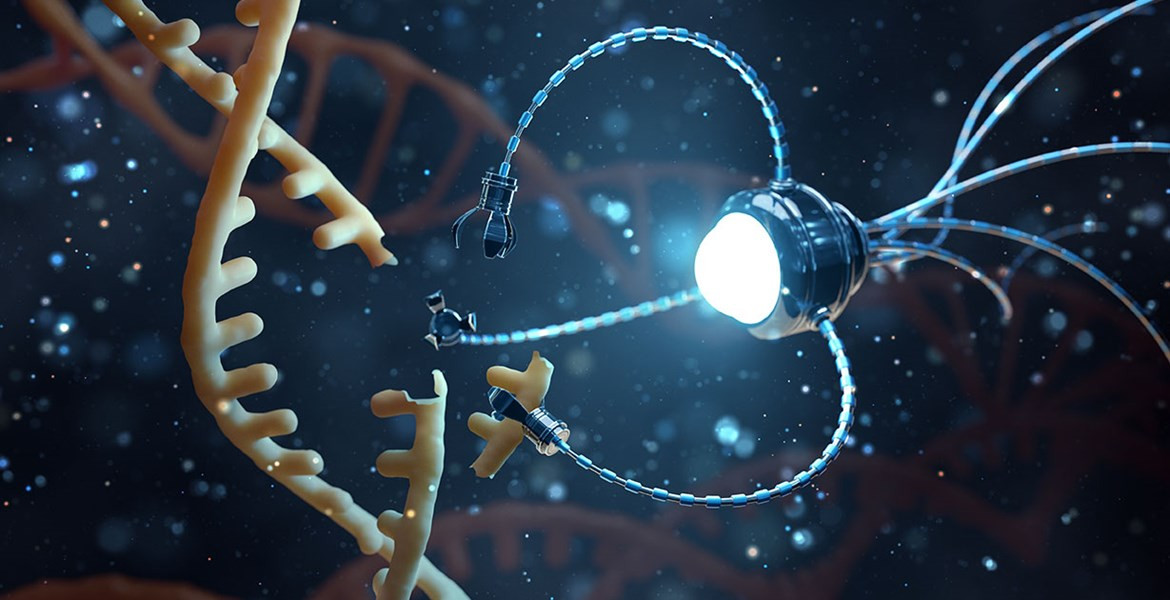
CRISPR-Cas9 is a gene-editor that has produced tidal waves of promise in the field of medicine. It has the capability of editing or “editing” DNA itself and even curing genetic illness. But questions need to be raised about ethics in doing that. My gut sense is that while CRISPR-Cas9 has a lot to do with reducing the risk of genetic disease, it cannot eliminate them at the price of transgressing red lines of severe ethics.
Secondly, CRISPR-Cas9 has been holding out hope for prenatal editing of genetic disorders. This would render inherited diseases such as cystic fibrosis or sickle cell disease not be transmitted to future generations. For example, scientists have already attempted to use CRISPR to edit embryos so that disease could be prevented. If the technology is developed further, human beings may be made able to give birth without the passing of genetic diseases, and that would be a wonderful advantage.
There are certain ethical issues, though. One of them is that CRISPR-Cas9 would be used to create “designer babies,” since the parents would be able to choose features like intelligence, looks, or sports ability. It will also be able to create inequality since only the wealthy would be able to afford “selecting” children’s features and thereby generate social inequality. The second threat is the side effects, because gene editing has unforeseen side effects.
Lastly, CRISPR-Cas9 will cure genetic disease but is risky. It can be of priceless value, but we do not have to push ethics to their extremes. All that we should do is ensure that we apply this technology in the benefit of the world at large and not for ourselves or to segment society with genetic instruments.