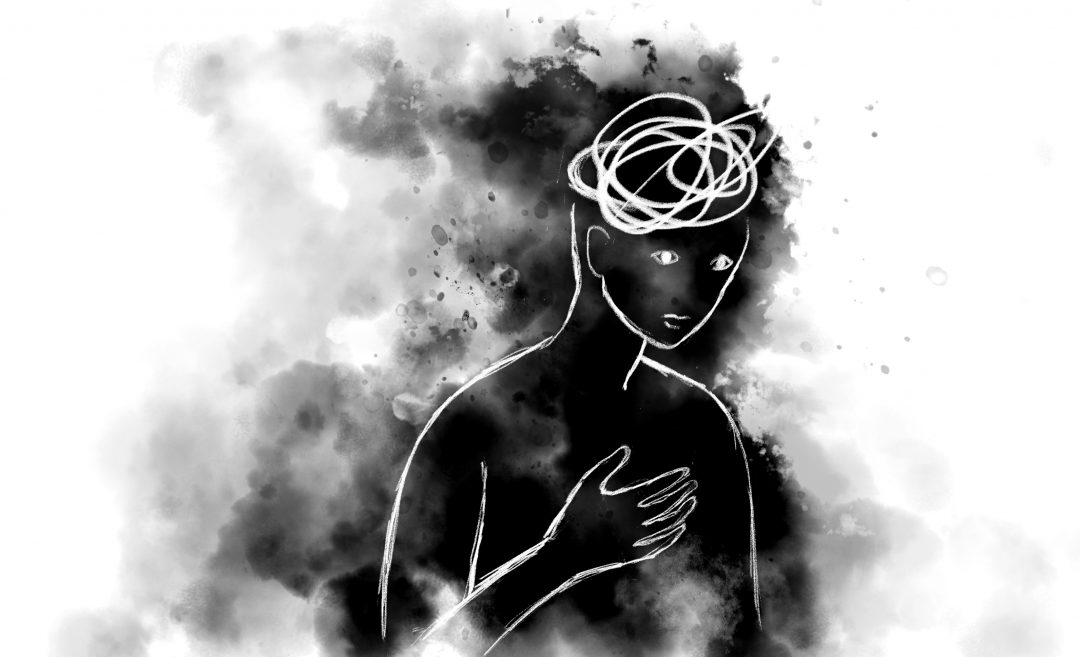
Depression is a serious mental health condition that affects how people think, feel, and behave. Common symptoms include persistent sadness, loss of interest in daily activities, fatigue, difficulty concentrating, changes in appetite or sleep patterns, and feelings of worthlessness or hopelessness. In more severe cases, individuals may experience thoughts of self-harm or suicide.
Depression can be caused by a variety of factors, including genetic predisposition, chemical imbalances in the brain, traumatic life events, chronic stress, and social isolation. Often, environmental and psychological factors interact and trigger the condition, making it more complex and difficult to manage.
Fortunately, depression is a treatable condition. Effective solutions include professional therapy, such as cognitive-behavioral therapy, medication prescribed by psychiatrists, and strong social support from family and friends. In addition, lifestyle changes—such as regular physical activity, healthy nutrition, sufficient sleep, and stress management techniques—can significantly improve mental well-being. Early diagnosis and appropriate treatment play a crucial role in recovery and long-term emotional health.