

In today’s world, technology is a big part of our lives. We use smartphones, computers, and tablets for everything. While these devices make life easier, they can also become a problem when we spend too much time on them. This can lead to digital addiction, which means people feel like they can’t stop using their devices, even when it starts to affect their health, relationships, or daily responsibilities.
Digital addiction is a growing problem for people of all ages. Many don’t even realize how much time they spend online. Hours go by scrolling through social media, watching videos, or playing games. This can lead to problems like poor sleep, low energy, stress, anxiety, and even loneliness. It can also take away time from real life activities like exercising, reading, talking with family or just relaxing. That’s why it’s important to take steps now to avoid long-term problems.
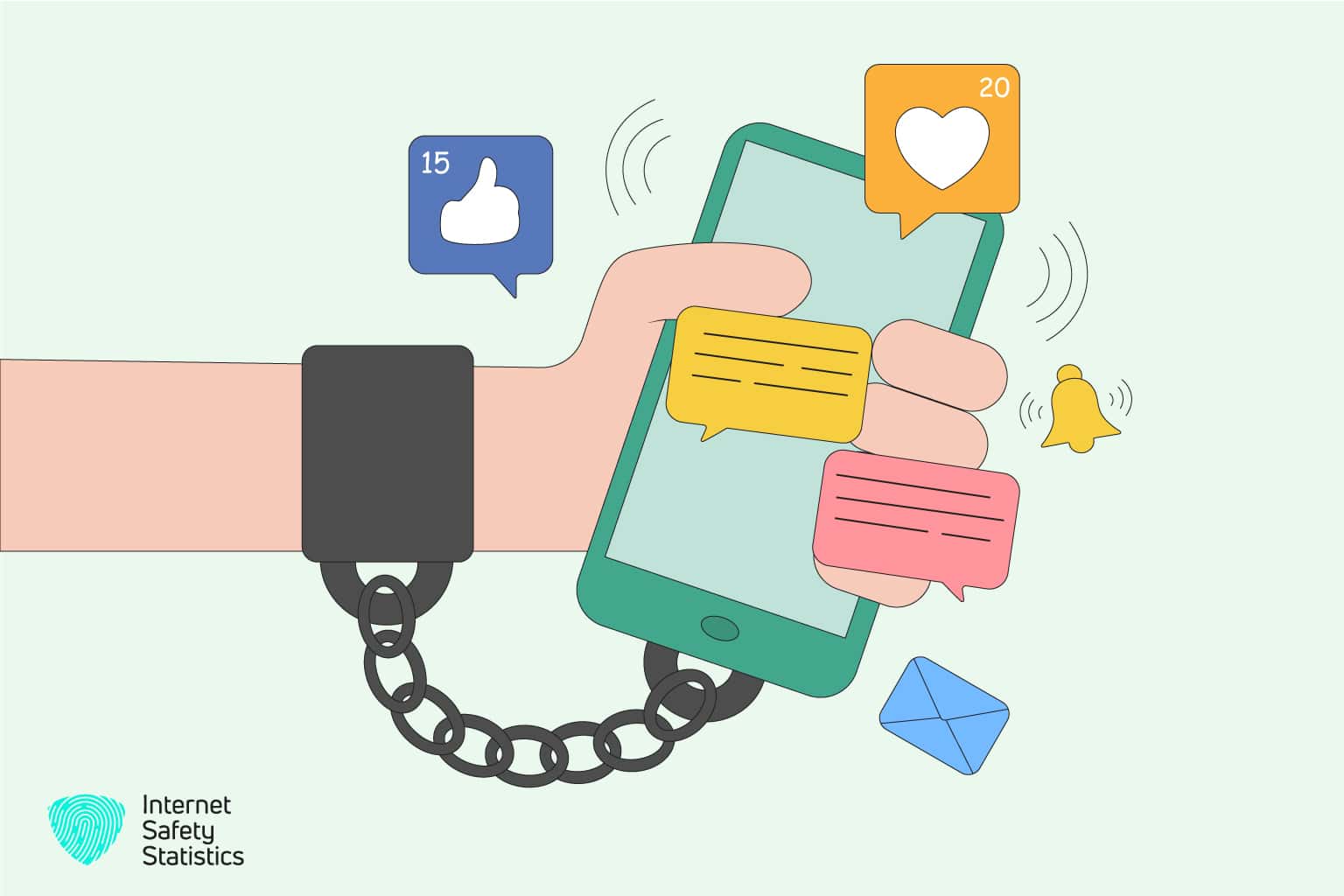
On a personal level, people can start by setting limits on screen time. Most phones have tools that show how long you’ve been online. Try turning off notifications, especially from apps that aren’t important. Taking short digital breaks during the day can also help, like spending an hour without your phone or having tech-free evenings.
Finding offline activities is another great way to stay balanced. Reading a book, going for a walk, talking to friends in person, or doing a hobby can be both fun and relaxing. It’s also good to practice mindfulness, which means being aware of how you feel and learning to enjoy the present moment without a screen.
Schools should teach students about healthy tech habits from a young age. Digital education should include lessons on using the internet wisely, understanding the risks of too much screen time, and knowing how to take breaks. Workplaces can also promote healthy habits by encouraging breaks from screens.
In conclusion, digital addiction is a serious issue, but it can be prevented. By making small changes in our daily lives and pushing for bigger changes in society, we can build a healthier relationship with technology. It’s time to take control of our screen time and reconnect with the real world around us.