
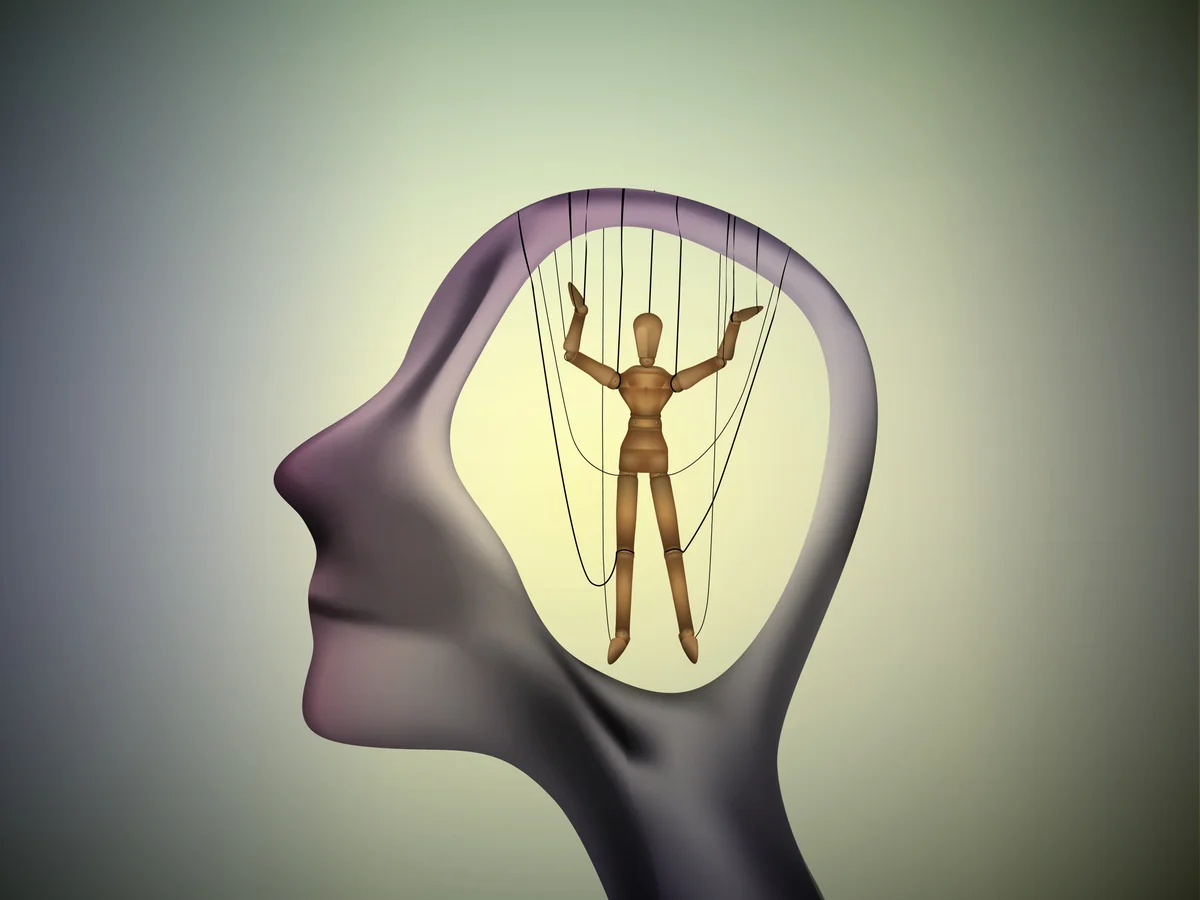
Every day, we make countless choices, whether it is what to eat for lunch or major life decisions such as choosing a career or sharing our opinions. These decisions, big or small, are all part of the human experience. Some choices are based purely on personal desire, while others are shaped by rules and social expectations. This shows that decision-making is not always completely free.
People often find themselves acting in certain ways because of their environment. One important factor that affects decision-making is the concept of limited free will. We often believe that we are fully in control, but in reality, external factors influence us more than we realize. Laws, workplace rules, and social norms subtly shape our actions. For example, an employee may want to disagree with a manager but chooses to remain silent to avoid conflict. In such situations, the decision is not only about personal desire, but also about fear of consequences.
Another strong influence on decision-making is hierarchical order. Families, schools, workplaces, and governments all operate within clear chains of authority. Those at higher levels hold more power, while those below are often expected to obey. This hierarchy affects decisions by creating boundaries. It is human nature to comply with authority, even when we feel uncertain or uncomfortable. This influence may be direct, such as receiving an order, or indirect, such as understanding expectations or potential rewards.
Therefore, human decisions are not shaped solely by personal choice; many external factors play a role. Free will does exist, but it is often limited by authority, structure, and social norms. By understanding these influences, we can better recognize why we make certain choices and where our decisions truly come from.