
Today’s children feel lonelier compared to those in the past.
The rapid spread of technology directly affects children’s social relationships.
Long hours spent in front of screens weaken real friendship bonds.
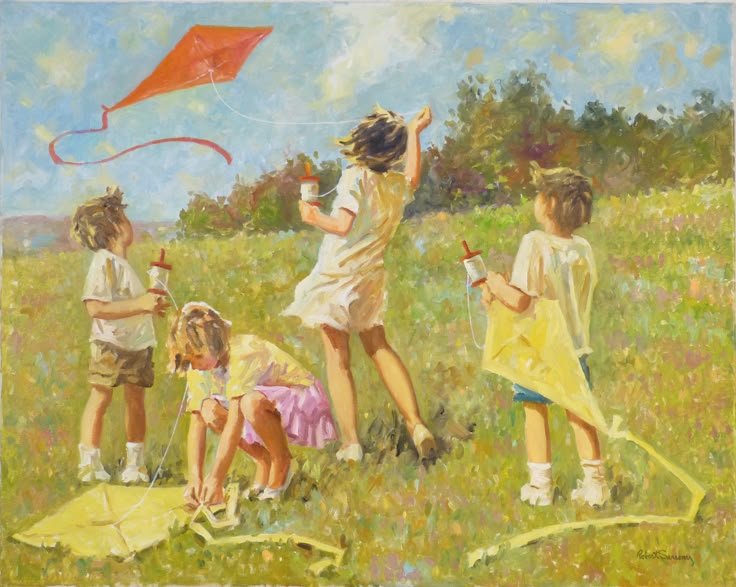
In the past, children spent more time outside and formed spontaneous friendships.
Modern apartment life and safety concerns limit children’s ability to go outside.
This seriously restricts their natural social environments.
Even within the family, everyone focuses on their own phone, reducing the quality of communication.
Children feel less seen and less heard.
Academic pressure and busy schedules leave children with almost no free time.
Without free time, spontaneous friendship opportunities disappear.
Social media causes children to constantly compare themselves with others.
These comparisons create feelings of inadequacy and exclusion.
The early start of competitive environments makes children see each other as rivals.
This weakens sincere and deep friendships even more.
In the past, families spent more time together.
Now, even when family members are in the same house, they can live disconnected.
Children feel emotionally lonelier within this disconnection.
The speed and stress of modern life push children’s emotional needs into the background.
When all these reasons come together, today’s children find themselves feeling lonely even in a crowd.
Why are today’s children more lonely?
(Visited 10 times, 1 visits today)