
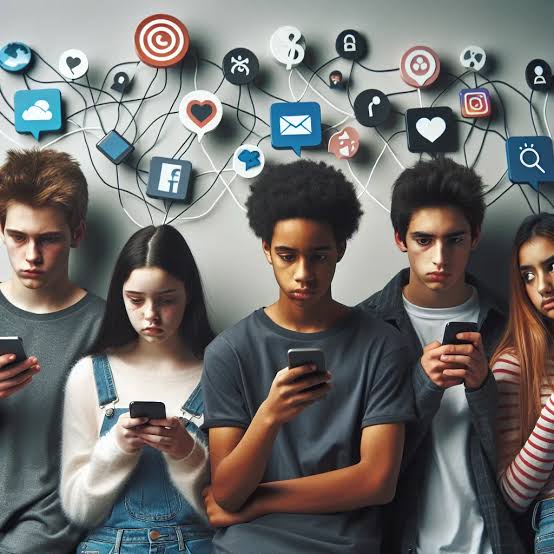
 In today’s world, social media has become a huge part of young people’s daily lives. Platforms like Instagram, TikTok, and Snapchat are not just for entertainment anymore—they’re how we communicate, express ourselves, and stay updated. While social media has its benefits, like helping us connect with others and share ideas, it also has a serious impact on mental health. I believe that the time young people spend on social media needs to be better managed, and both individuals and society should work together to create a healthier digital environment.
Spending too much time on social media can lead to a lot of mental health problems. For example, constantly seeing “perfect” photos or lifestyles online can make people feel insecure about their own lives. It often leads to anxiety, low self-esteem, or even depression. Many young people also feel pressure to keep up with trends or gain likes and followers, which can become exhausting. On top of that, social media can mess with sleep schedules and reduce face-to-face communication, making people feel more isolated even if they’re constantly “online.”
To achieve digital balance, individuals first need to become more aware of how much time they spend online and how it affects their mood and energy. Setting screen time limits, turning off notifications, or having “phone-free” times during the day can really help. It’s also important to make time for real-life connections, hobbies, and nature—things that improve mental well-being.
On a larger scale, schools and governments should educate young people about responsible social media use. There should be lessons that teach digital literacy, emotional awareness, and how to recognize toxic online behavior. Social media companies also have a role to play. They should make their platforms healthier by limiting harmful content, promoting mental health resources, and encouraging positive online behavior.
In conclusion, social media isn’t all bad, but the way we use it matters. Young people need support to develop healthier habits and recognize when it’s time to take a break. By taking responsibility on both personal and societal levels, we can create a more balanced relationship with technology that supports, not harms, our mental health.