
Are Hydroelectric Power Plants a Sustainable Solution for Renewable Energy Transition or a Threat to Natural Ecosystems?
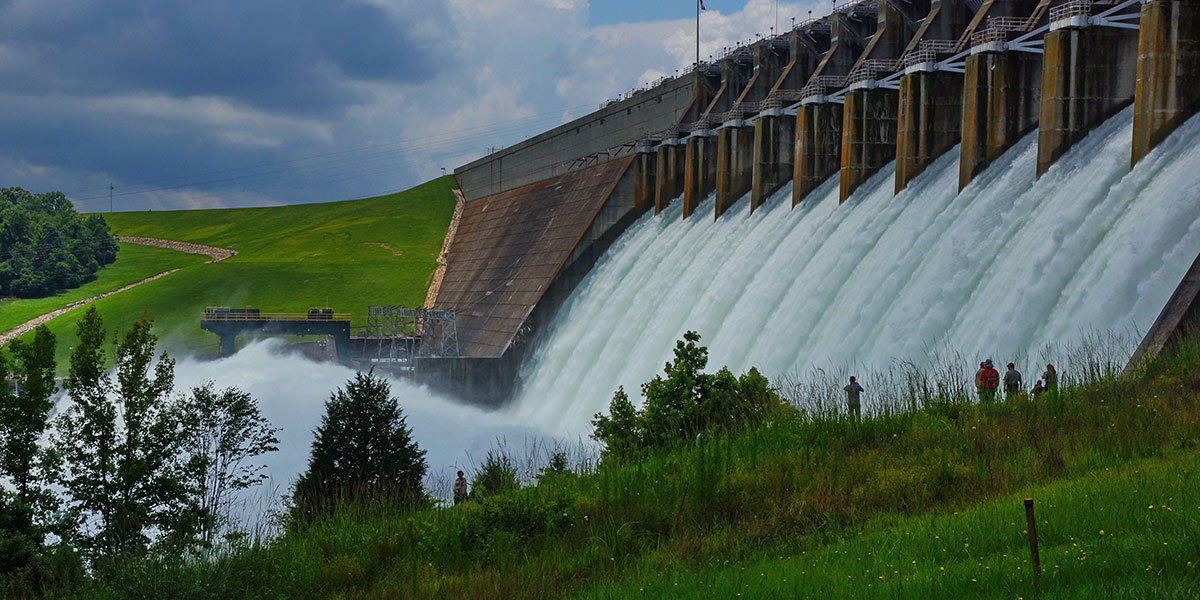
Hydroelectric power plants (HPPs) are often regarded as a vital component of the global transition to renewable energy. By harnessing the kinetic energy of flowing water, they generate electricity without direct greenhouse gas emissions, making them a cleaner alternative to fossil fuels. This helps reduce global carbon footprints. Furthermore, HPPs provide a reliable and consistent energy source, unlike solar or wind power, which are weather-dependent. They also contribute to water management, flood control, and irrigation, offering additional benefits to human populations.
However, the advantages of hydroelectric power come with significant environmental costs. The construction of dams often involves flooding large areas, leading to the displacement of communities and the destruction of habitats. River ecosystems are disrupted, impacting aquatic species and their breeding cycles. Migratory fish, such as salmon, experience population declines due to blocked pathways, while reservoirs created by dams can lead to the decomposition of organic matter, releasing methane—a potent greenhouse gas that offsets some of the climate benefits of hydroelectric power.
In conclusion, while hydroelectric power is a renewable energy source with undeniable benefits, its environmental and ecological trade-offs must not be overlooked. Achieving a sustainable energy future requires careful site selection, the use of advanced technologies like fish ladders, and minimizing ecological disruptions. Striking a balance between meeting energy demands and preserving natural ecosystems is critical for true sustainability.