
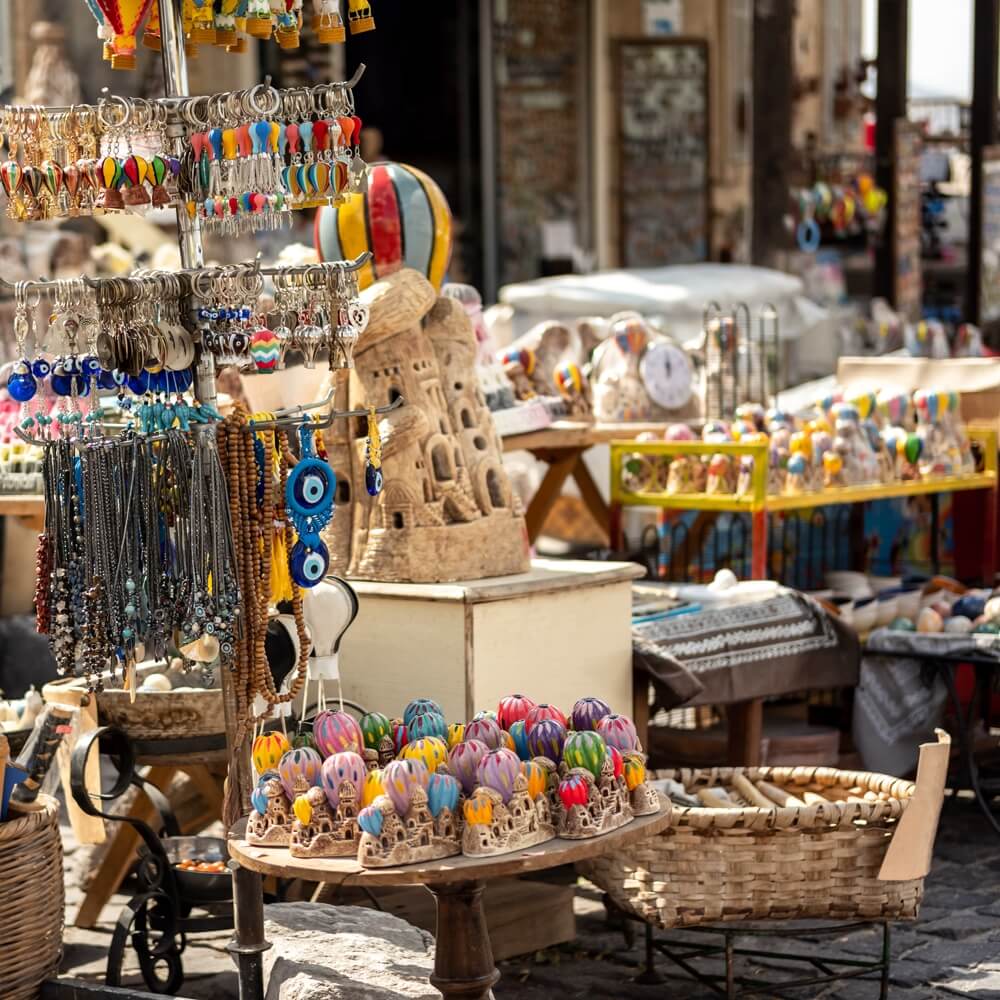
Local markets are more than just places for shopping. These marketplaces are important spaces that reflect a community’s economic structure, cultural values, and social relationships.
First and foremost, local markets provide clues about a region’s economic situation. These areas, where producers directly reach consumers, demonstrate the vitality of the local economy. If the market mainly sells products grown in the region, this indicates that agricultural production continues and that local labor is valued. However, if products are imported or largely sold through intermediaries, this may suggest a weakening of local production.
Furthermore, marketplaces are spaces where cultural heritage is preserved and transmitted. For example, in Gaziantep, the variety of spices and local foods reflects the region’s culinary culture, while in Trabzon, products such as butter, cornmeal, and anchovies bear the traces of Black Sea culture. These products are not only food items but also tangible examples of traditions passed down from the past to the present.
Another important aspect of local markets is that they serve as spaces for social interaction. People do not just shop there; they chat, discuss current events, and strengthen their social ties. In this respect, markets become vibrant spaces that reflect the pulse of society.
Consequently, local markets carry cultural and social meanings beyond economic activity. The presence of regional products demonstrates a community’s connection to its roots. Therefore, local markets are not merely places of commerce; they are important social spaces where identity, labor, and culture are preserved.