
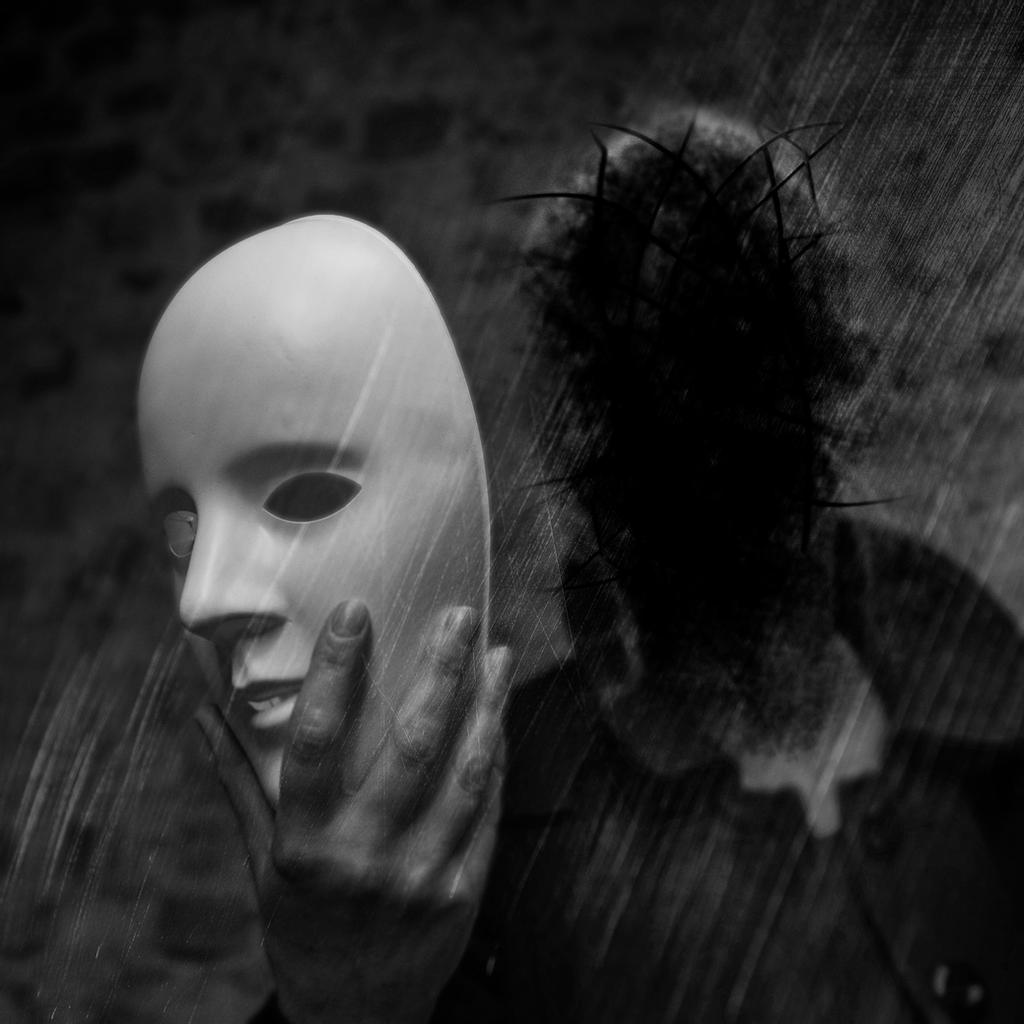
“Man is least himself when he talks in his own person. Give him a mask, and he will tell you the truth,” states Oscar Wilde.
This quote offers a profound insight into human behavior. It suggests that people tend to act differently when their identity is known. In many cases, individuals feel pressured to present an idealized version of themselves—one that aligns with societal expectations. As a result, they may exaggerate, conceal their true thoughts, or even lie to gain approval or avoid judgment.
The fear of being criticized or humiliated often prevents people from expressing their authentic selves. Instead of being who they truly are, they become who others want them to be. Therefore, expecting someone to reveal their true character while being fully exposed and identifiable is often unrealistic.
However, when anonymity is granted—when the person is hidden behind a mask or cannot be recognized—they are more likely to speak honestly and act in accordance with their real feelings. This lack of social pressure removes the fear of judgment, allowing individuals to reveal their true opinions, desires, and beliefs. Of course, this can also lead to behavior that is unusually bold or even rude, as the normal social filters no longer apply.