
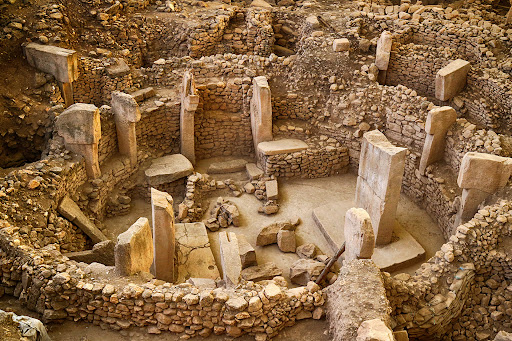
Cultural heritage is an valuable possession,which represents a nation’s history, traditions, and identity. It is important for governments to preserve cultural heritage, therefore they should be paying attention to the touristic activities that go around the area.
Preserving cultural heritage is crucial for maintaining national identity and historical values that comes with it. Many cultural sites, and artifacts are vulnerable to corrosion due to environmental factors, human activities, and most importantly mass tourism. If not properly managed, widespread tourism can lead to the disturption of fragile structures and local communities.Historic sites like Venice have faced threats from over tourism, leading the authorities to to take action in order to limit visitors and adjust preservation measures. By enforcing strict conservation policies, governments can safeguard these invaluable treasures.
However, completely restricting access to cultural heritage sites is neither practical nor beneficial.The tourism industry plays a significant role in creating jobs, boosting local economies, and raising global awareness of the importances of these sites. If managed responsibly, tourism can contribute to heritage conservation rather than posing a threat. Governments can use sustainable tourism strategies, such as controlled entry, and guided tours, to balance public access and protection.
Moreover, promoting cultural heritage through tourism is beneficial for international appreciation and understanding amongst tourists. Cultural exchanges forms a bridge between different people, forming global unity. Many UNESCO World Heritage Sites, such as the Great Wall of China and the Pyramids of Egypt, are great examples of how heritage conservation and tourism can promote each other.
To sum up, governments should prioritize the protection of cultural heritage while at the same time promoting tourism with precautions . A well balanced approach ensures that cultural treasures remain preserved for future generations while also allowing people to experience and appreciate them. With proper policies in place, cultural heritage can continue to exist ,as both a source of national pride and an important source of economic income.