
An essential feature of a nation’s identity is its cultural heritage. It features old buildings, customs from the past, and original art. Many nations must decide whether to protect their cultural heritage by keeping it hidden from the public or to encourage tourism in order to make money. The best option is to strike a balance, even though each side has pros and cons.
Economic benefits are one reasoning for promoting tourism. Travelers spend money on dining out, accomodation, and souvenirs. This provides jobs and economic advantages nearby companies. For example, nations like France and Italy benefit economically from the millions of tourists they receive each year. Governments can rebuild historic places and improve infrastructure by putting money in tourism.
Cultural exchange is another excuse for promoting travel. Tourists find various cultures and histories when they visit historical sites. This facilitates a greater understanding of different cultures and mutual understanding. For example, tourists learn about and develop respect for ancient cultures when they tour the pyramids in Egypt or the temples in Japan.
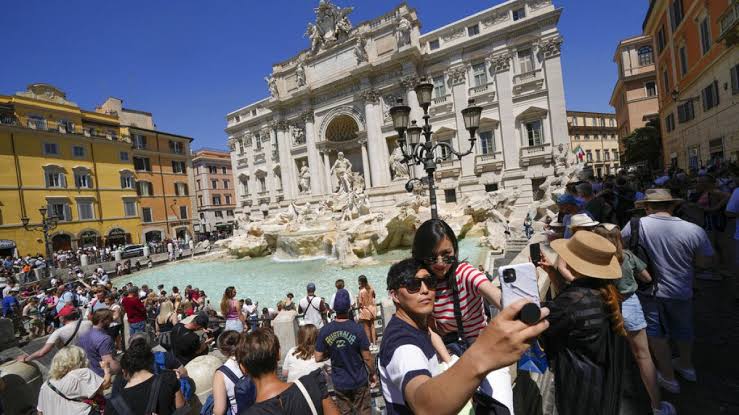
However, cultural heritage can be harmed by overwhelming tourism. Overcrowding plagues many historic structures and natural areas. Tourists sometimes cause damage to historical places by leaving trash or touching ancient walls. For example, an extreme number of tourists pollute the city and destroy historic structures in Venice. These locations might eventually disappear if governments do not limit tourism.
The loss of authenticity is another issue. To bring in more tourists, some locations change their cultures. For example, some regional celebrations turn into business holdings instead of authentic cultural events. Locals may feel excluded from their roots as a result of this.
Governments can limit tourism in order to maintain cultural heritage. This is already the situation in some nations. For example, in order to maintain its traditions and environment, Bhutan only allows a certain number of visitors yearly. Using technology is an additional solution. People can safely explore historic places with the help of virtual tours.
In conclusion, it’s important to both protect cultural heritage and promote tourism. Overtourism can harm historic sites, but it also increases the economy and encourages cross-cultural understanding. By limiting the number of tourists and technology companies to maintain cultural heritage, governments can find a balance. Future generations will be able to accept and learn from their nation’s history in this way.