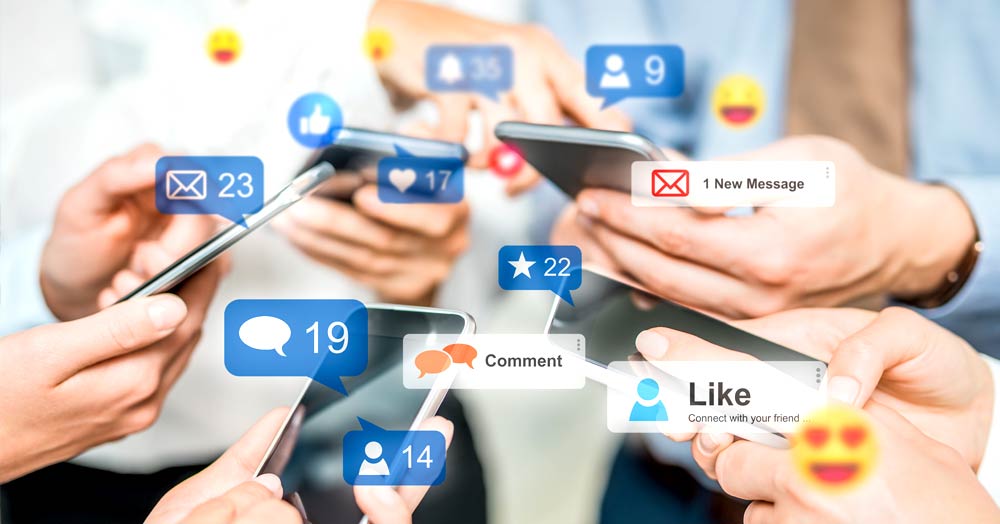
The effects of time spent on social media on young people’s mental health are increasingly concerning. While social media offers important oportunities for connection, self expression, and learning, excessive and unbalanced use can negatively impact mental well being. Young people who are still developing their identities and emotional resilience are very vulnerable to these effects.
One of the most pressing issues is the likelyness to compare yourself with others on social media. Platforms are often filled with idealized portrayals of life, which can lead to feelings of inadequacy, anxiety, and low self esteem in users who feel they don’t measure up.The constant pursuit of likes and validation can make young people overly dependent on external approval, affecting their self-worth and creating an unhealthy feedback loop.
Additionally, prolonged screen time disrupts sleep patterns, reduces time for physical activity, and limits real-life social interactions. These factors collectively contribute to feelings of isolation, stress, and even depression. Cyberbullying, which has become more prevalent with social media, also poses a serious threat to mental health.
To achieve digital balance, both individuals and societies have important roles to play. On a personal level, young people should be encouraged to set time limits for social media use and to engage in offline activities that promote well being, such as sports, hobbies, and face to face interactions. Practicing mindfulness and reflecting critically on the content consumed can also help maintain a healthy relationship with digital platforms.
Societies and institutions, including schools and governments, must also take responsibility. Educational programs should teach digital literacy, including the psychological impact of social media. Technology companies should design platforms that prioritize user well being. For example, by reducing addictive features and promoting positive, authentic content. Parents and guardians should model balanced digital behavior and create open channels of communication about online experiences.
In conclusion, while social media has the power to enrich lives, its misuse can be harmful, particularly to the mental health of young people. Achieving digital balance requires a joint effort: individuals must develop self-awareness and discipline, while societies must foster supportive environments that prioritize mental well-being over digital engagement.