
In the fast-paced world of the 21st century, traditional values—such as respect for elders, community cooperation, family unity, and moral responsibility—seem to be gradually fading. Modern life, driven by technology, globalization, and individualism, has brought many advantages. However, it has also challenged the way people think, live, and relate to one another. If we don’t make an effort to preserve our core values, we may soon find ourselves in a world where cultural identity and moral grounding have been completely replaced by materialism and self-interest.
One of the main reasons traditional values are disappearing is the overwhelming influence of digital technology. Children are being raised by screens instead of parents, and real-life conversations are being replaced by text messages and social media likes. Had families spent more quality time together, children would have learned respect, patience, and empathy in a natural way. Instead, many are being exposed to trends and lifestyles that promote instant gratification rather than long-term responsibility. Parents and teachers must be encouraged to guide children toward a balanced lifestyle, where values are taught alongside academic and technological education.
Another significant factor is the shift in societal priorities. Nowadays, success is often measured by how much money one makes or how famous one becomes. Traditional professions that were once highly respected, such as teaching or farming, are no longer given the same appreciation. If society had continued to recognize the importance of these roles, young people would not have been forced to abandon their heritage in pursuit of modern careers. Media and education systems could be used to highlight the importance of cultural and moral values, showing that modern progress does not have to come at the cost of our roots.
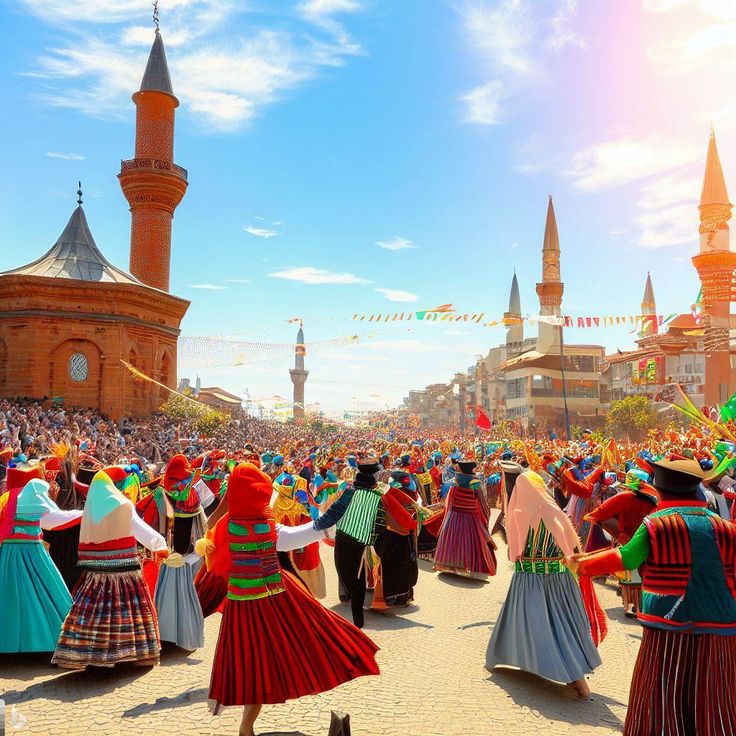
To protect and sustain traditional values, both individuals and communities need to take intentional steps. One effective approach would be to integrate cultural practices into daily life. For instance, families could be made to celebrate local festivals together, tell traditional stories, or cook heritage recipes. Schools could organize workshops that focus not only on science and technology but also on ethics, history, and culture. If the younger generation is exposed to these values in engaging and meaningful ways, they are more likely to carry them forward. Moreover, governments and local authorities should support cultural initiatives that bring people together and strengthen social bonds.
In conclusion, while modern life has undoubtedly improved our standard of living, it has also created a world in which traditional values are under threat. Unless we act consciously, these values might be forgotten altogether. If we were to combine the benefits of modern life with the wisdom of the past, we could create a society that is not only advanced but also deeply rooted in respect, compassion, and shared identity. It is time we made preserving our values a priority—not just for the sake of tradition, but for the future we are building.